MesoNet: DSP terminology and algorithm revisions
DSP names changed between drafts. keep early distance/significance idea separate from later variable plasticity + triangulated attribution
early formulation: the MIT THINK draft calls the mechanism Distributed Synaptic Plasticity (DSP). It describes sharing local STDP-derived credit with related synapses using functional distance, a significance threshold, plasticity and a global-effect scale. It proposes A* for the path search and a division intended to avoid recursively increasing plasticity from already-amplified updates.
later formulation: the theorem packet and preprint separate the method into Variable Plasticity and Triangulated Attribution. The later attribution pseudocode uses a Dijkstra-based relevance graph and aggregates timing-related updates before sending an additional update upstream.
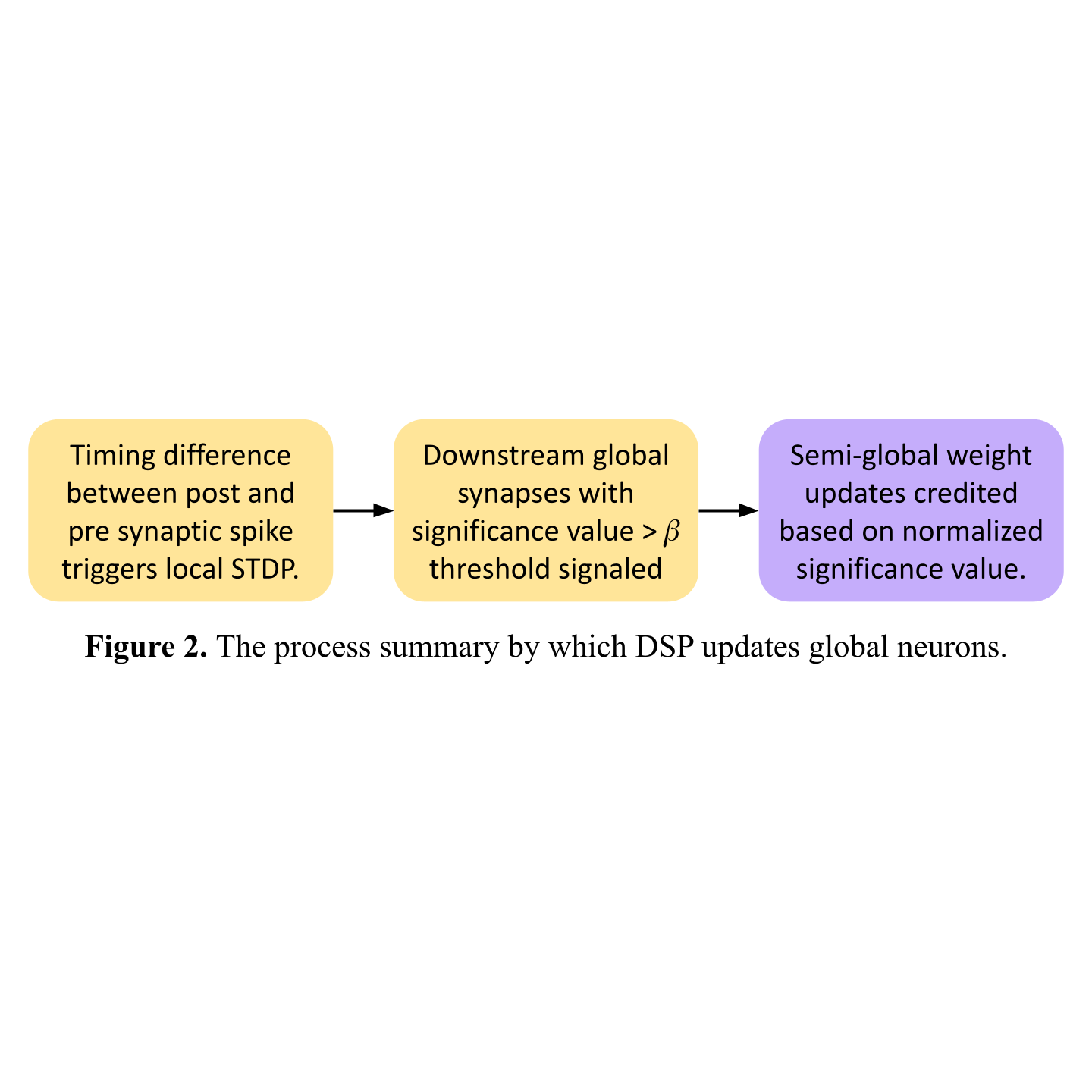
Local STDP and distributed updates
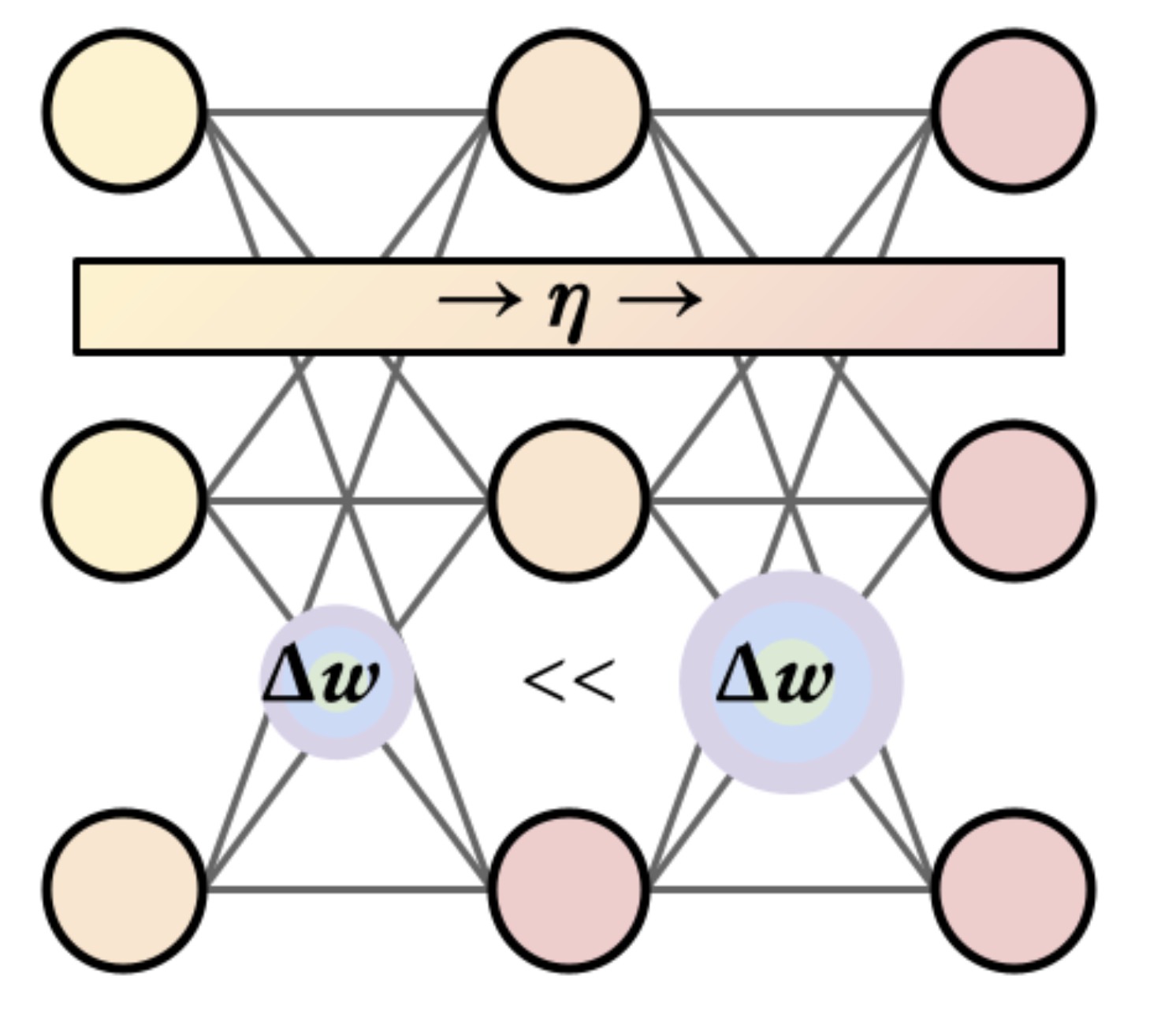
Variable plasticity
reference mapping: do not assume “DSP,” the December incidence model, and the final two-algorithm description denote identical executable rules. Track the eligibility criterion, plasticity update, path cost, propagation direction and normalization for each version.
questions to resolve: which rule appears in the code used for each dataset? Was A* replaced by Dijkstra, or are they alternative sketches? Which terms were removed or renamed? The THINK proposal explicitly says much of the work is theoretical and further empirical testing is required; preserve that status when using it for historical notes.