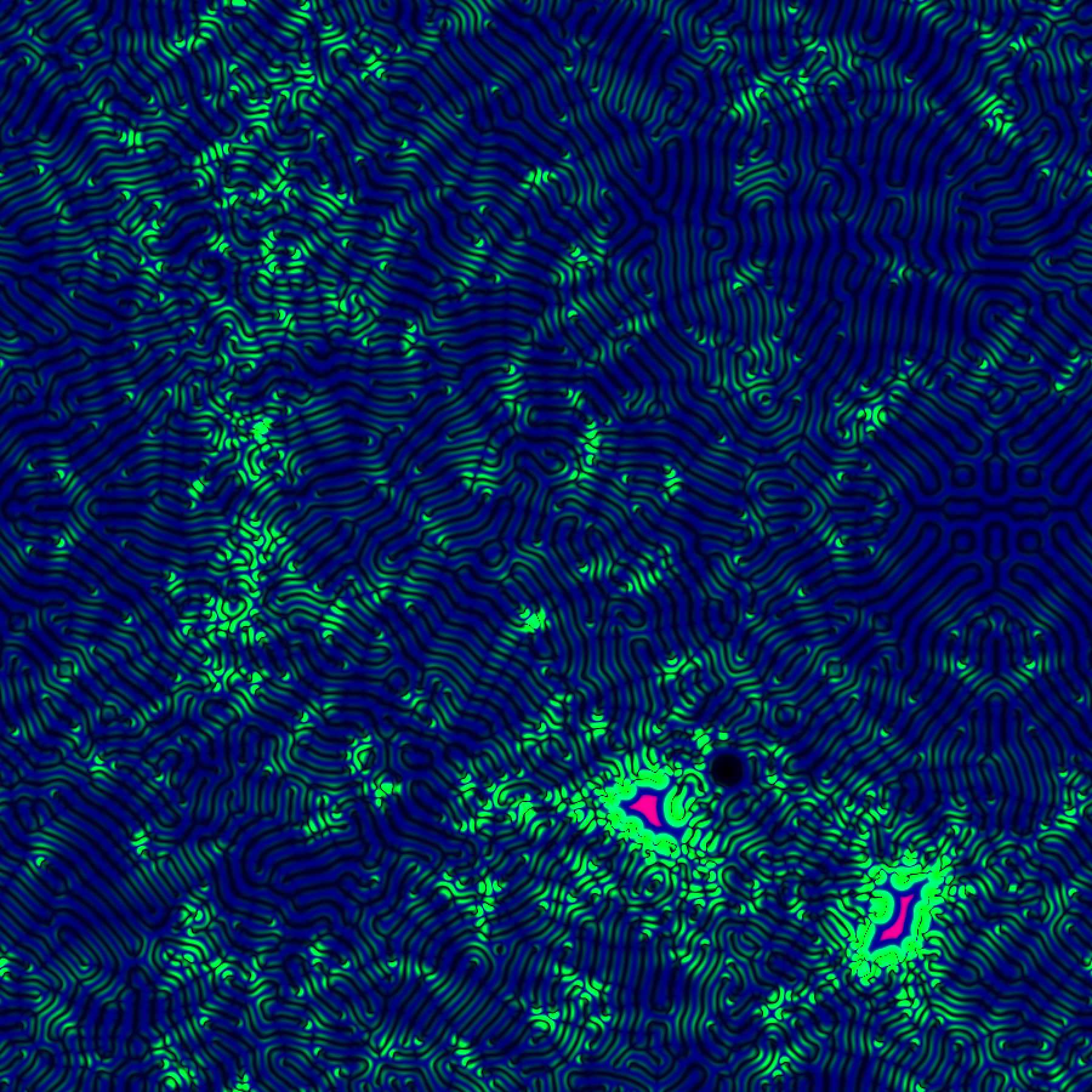
GRU deployment architecture: what the poster actually specifies
Conv1D → BiGRU → more GRUs → norm → dense → sigmoid
need layer sizes / sequence length alongside the nice boxes. also '3 states' but 4 names listed??
Poster architecture, transcribed in order: concatenated input → Conv1D → bidirectional GRU → GRU → stacked GRU → stacked GRU → batch normalization → dense layer → sigmoid output. This is a useful model outline, but not enough to reconstruct its tensor shapes. Record sequence length, feature count, convolution kernel/channel count, GRU units, dropout and exact dense dimensions beside the eventual implementation.
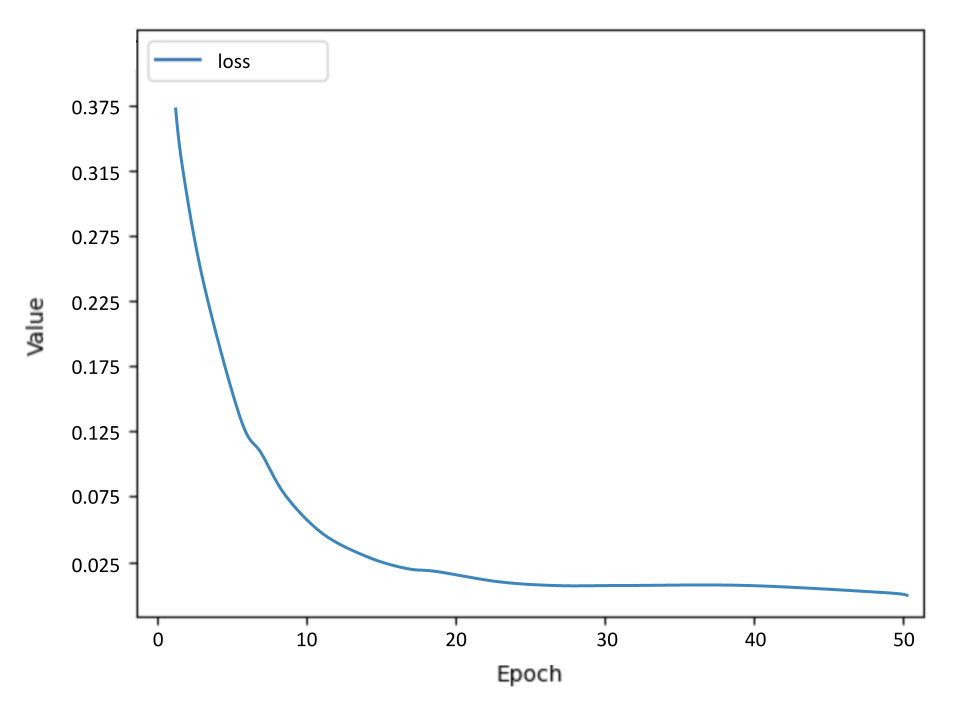
GRU loss curve from the JIC poster.
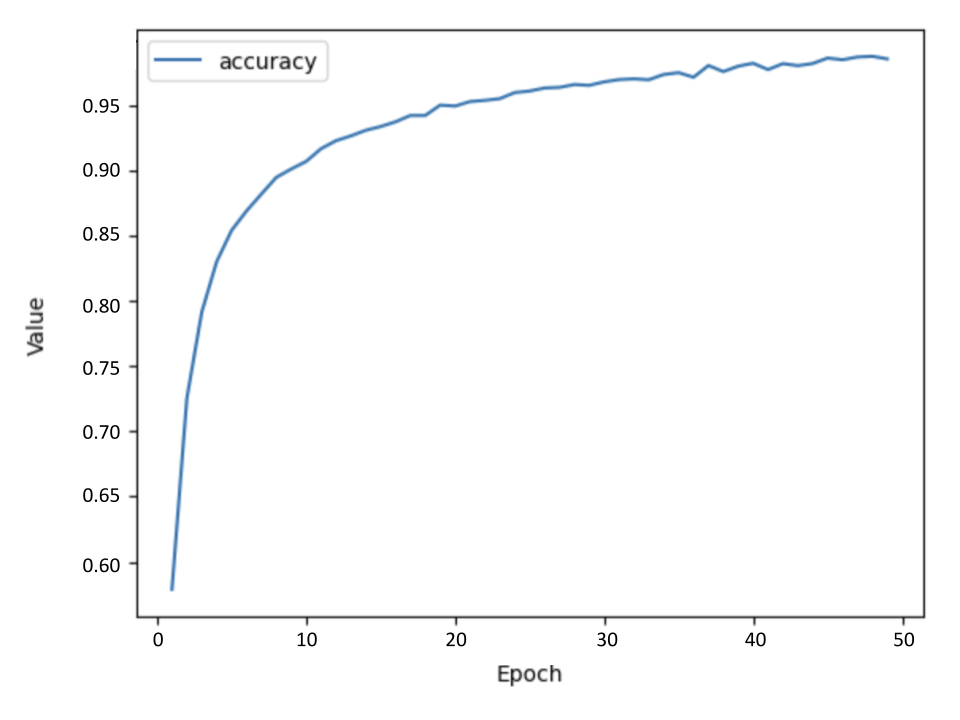
GRU accuracy curve from the JIC poster.
- The poster describes smartphone execution and tests on a Google Pixel 7 Pro; the testing described is on the researcher, not a Parkinson’s/freezing-of-gait cohort. Keep these limits attached to any quoted model performance. Its quantization discussion describes variable angle bins, finer near upright and coarser elsewhere; that should not automatically be described as neural-network weight quantization.
- The source's state list includes unbalanced, standing, walking and abruptly falling while calling it three states. Resolve that terminology against the binary
user_statetable. The October speaking-prep to-do list still says optimize the GRU, update Arduino code, open the repository and finish/integrate the app, so an architecture diagram alone cannot date completed end-to-end integration.
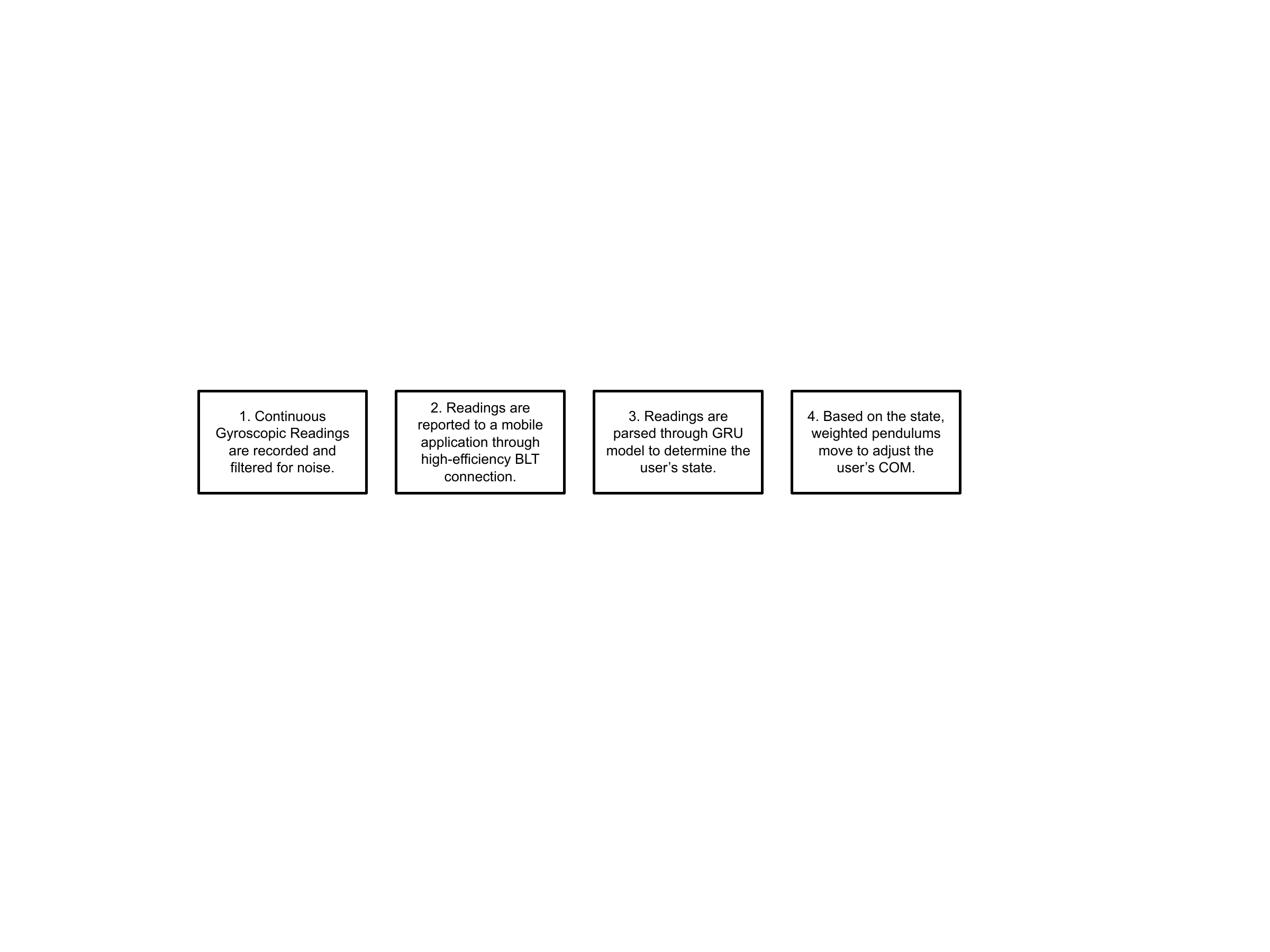
Gyro input, model prediction and counterweight control flow.
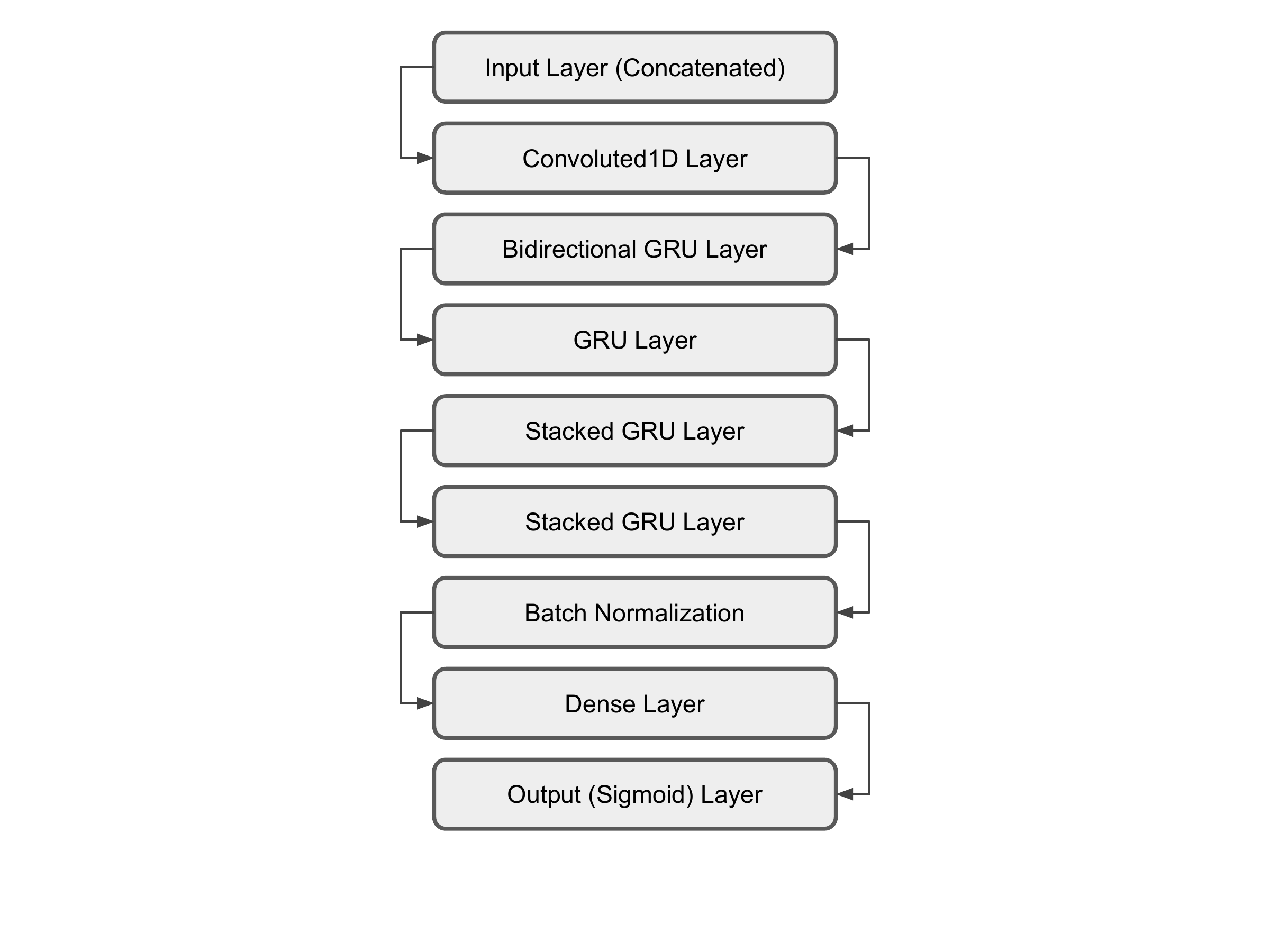
Convolution and GRU model architecture.