Tractography preprocessing scratch pipeline and version differences
pipeline versions: 20M vs 25M tracks, 0.06 vs 0.1 cutoff, TractSeg vs RecoBundlesX
keep separate configs. subject/template transforms need to follow every output
The Random Notes workflow starts with response estimation using Dhollander, a group-averaged white-matter response, FOD estimation with dwi2fod, population FOD-template construction, peak extraction with sh2peaks, and fod2fixel with a 0.1 peak threshold. The main journal has a 0.06 value elsewhere: preserve these as separate proposed/run configurations rather than silently standardizing them.
This note describes whole-brain iFOD2 generation of 25 million streamlines and SIFT reduction to 2 million; another journal version uses 20 million. It also describes TractSeg's 72 bundles, binary segmentations and tract orientation maps (TOMs), followed by tractography on the TOMs. Later posters describe registration to HCP842 and RecoBundlesX instead. These are meaningful pipeline-version differences.
- For each bundle, use
tck2fixelto construct the fixel density association map, threshold at 5% of its maximum and binarize. Count how many bundles belong to each fixel; when aggregating to voxels, avoid counting the same bundle more than once across multiple fixels. Keep subject-space and template-space transforms explicit and preserve image affine/scanner coordinates.
- Saved implementation references: TractSeg, MRtrix3, and
mrtrix3-pyio. These notes name tools and processing steps, not fully reproducible shell commands with all inputs/options. Needed alongside a future run: input DWI/gradient files, response files, mask, registration transforms, seed, tool versions and output-image headers.
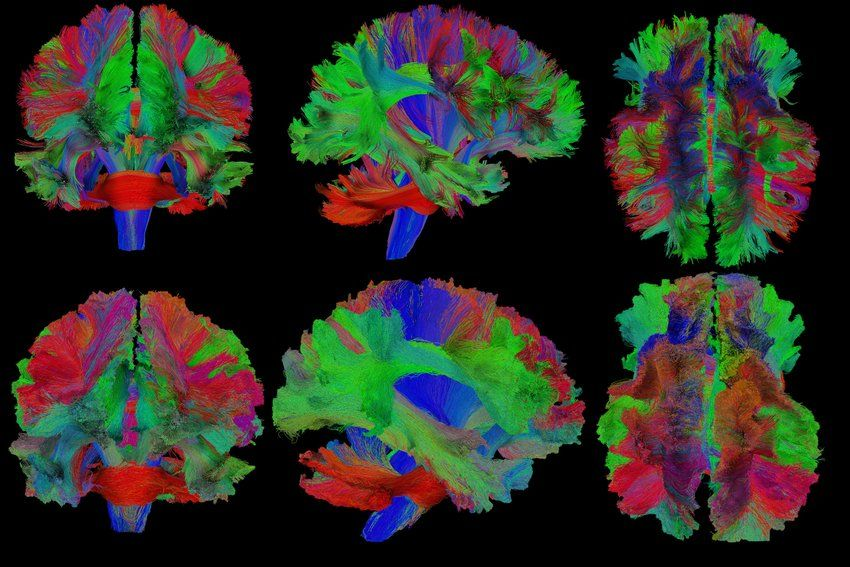
Brain FOD and tractography views from the TractX poster.
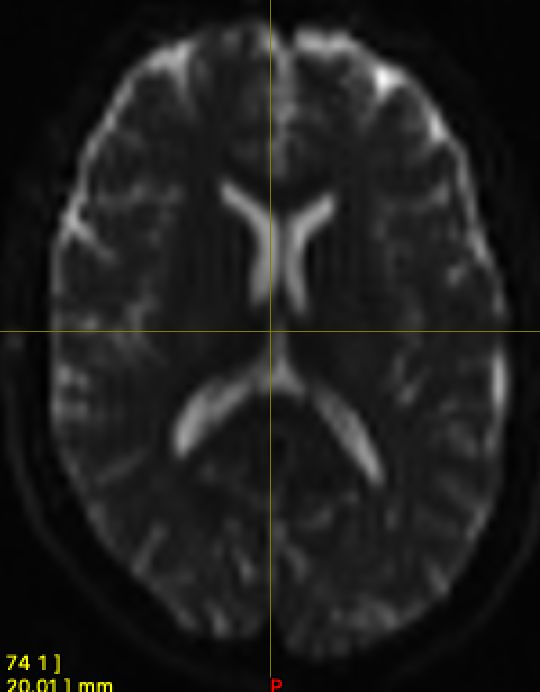
Diffusion-image input panel.
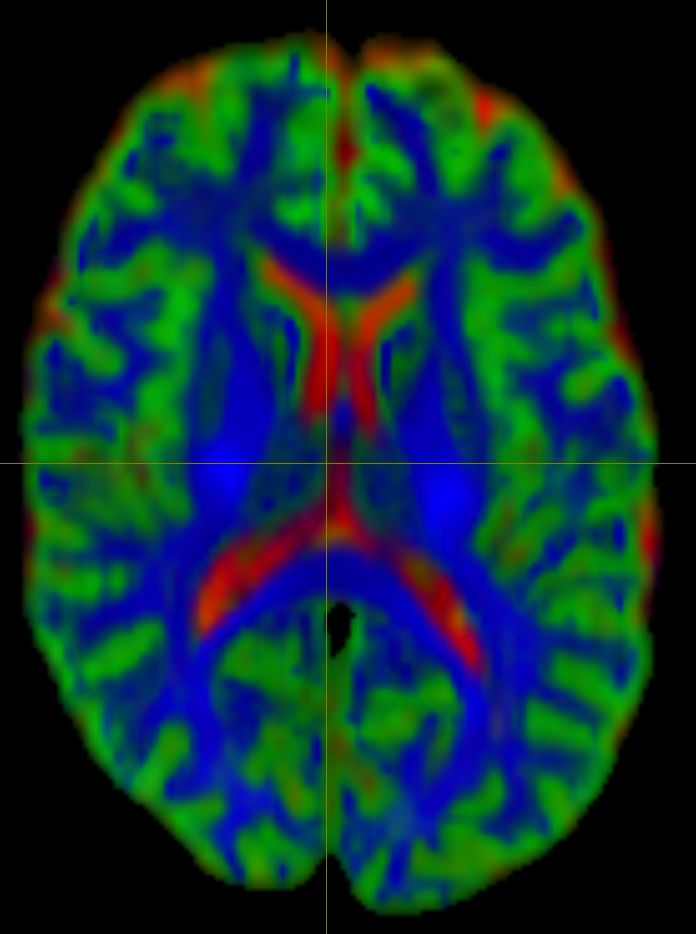
Color orientation-map panel.
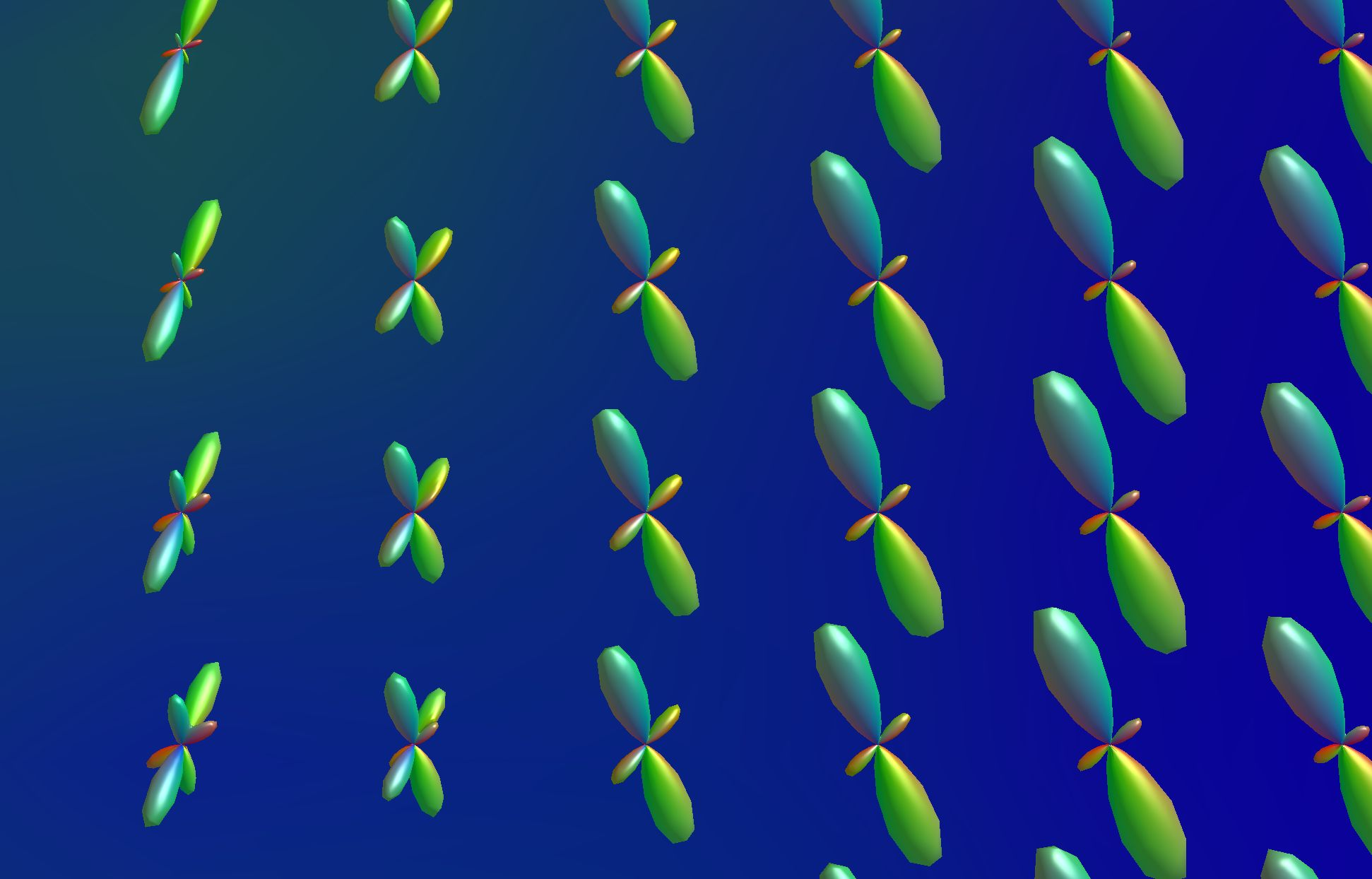
Local fiber-orientation peaks.
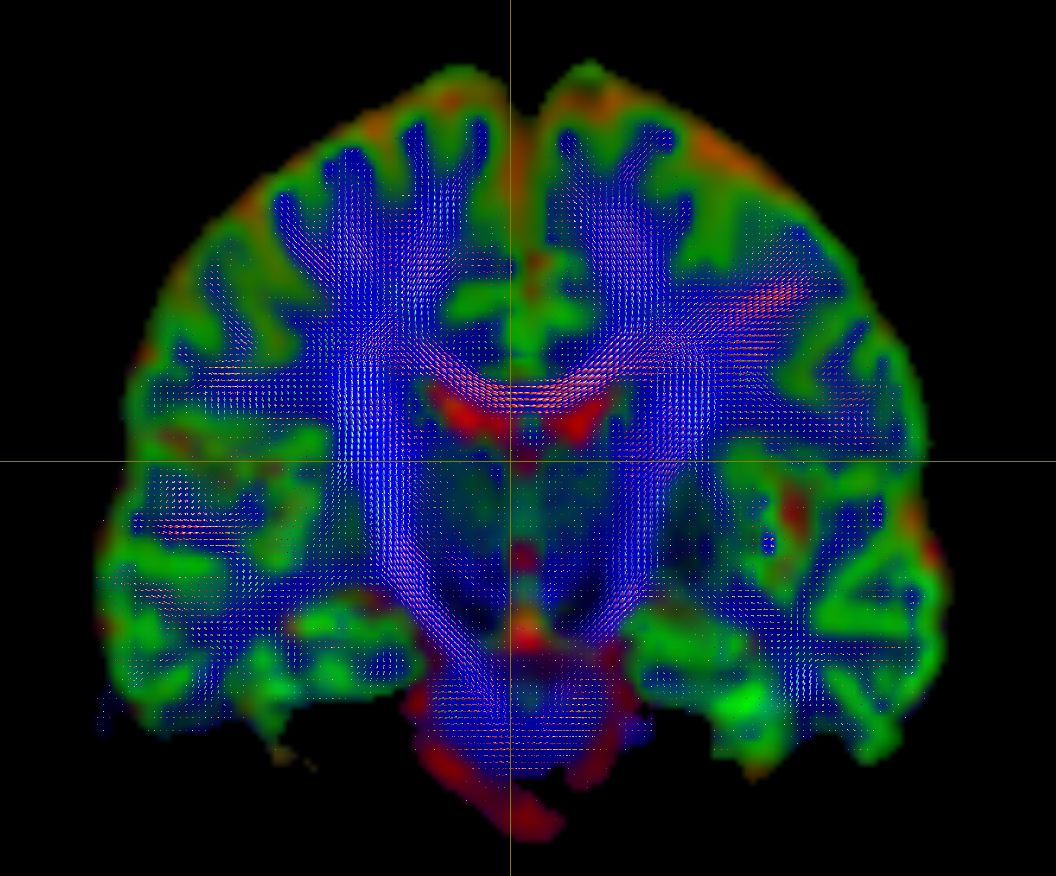
Coronal orientation-map view.
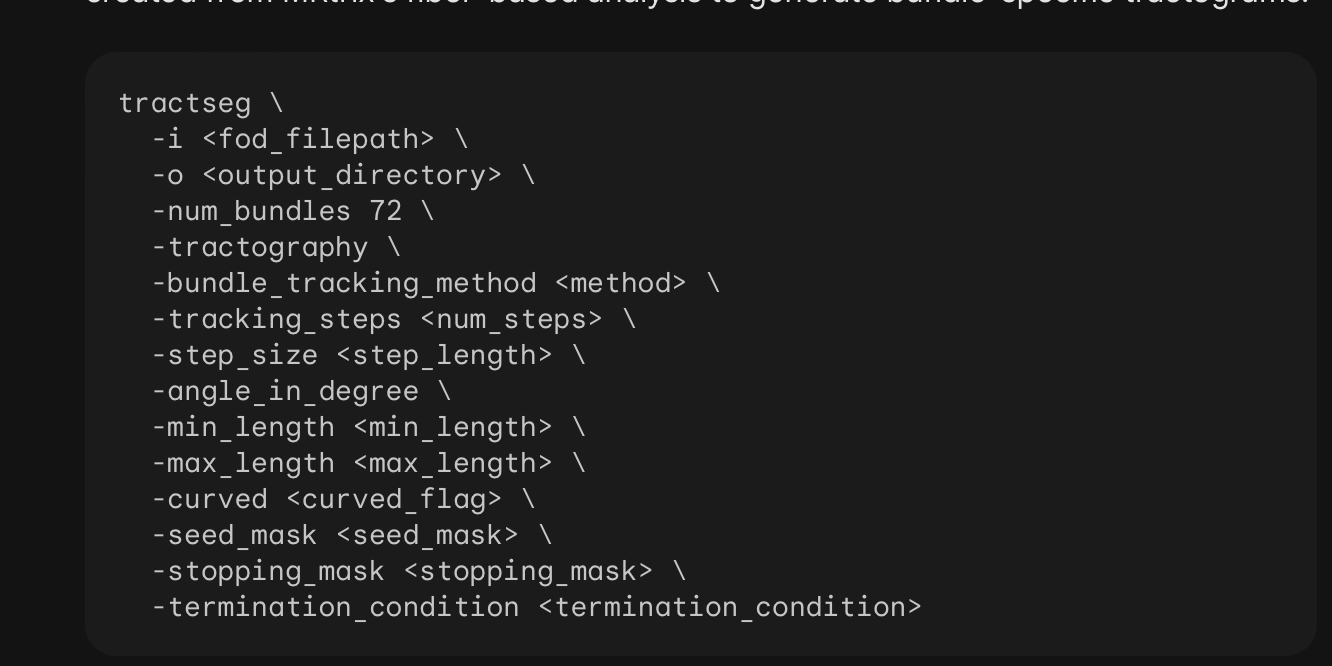
TractSeg command draft with placeholder arguments.