MesoNet: presentation artifacts as reproducibility pointers
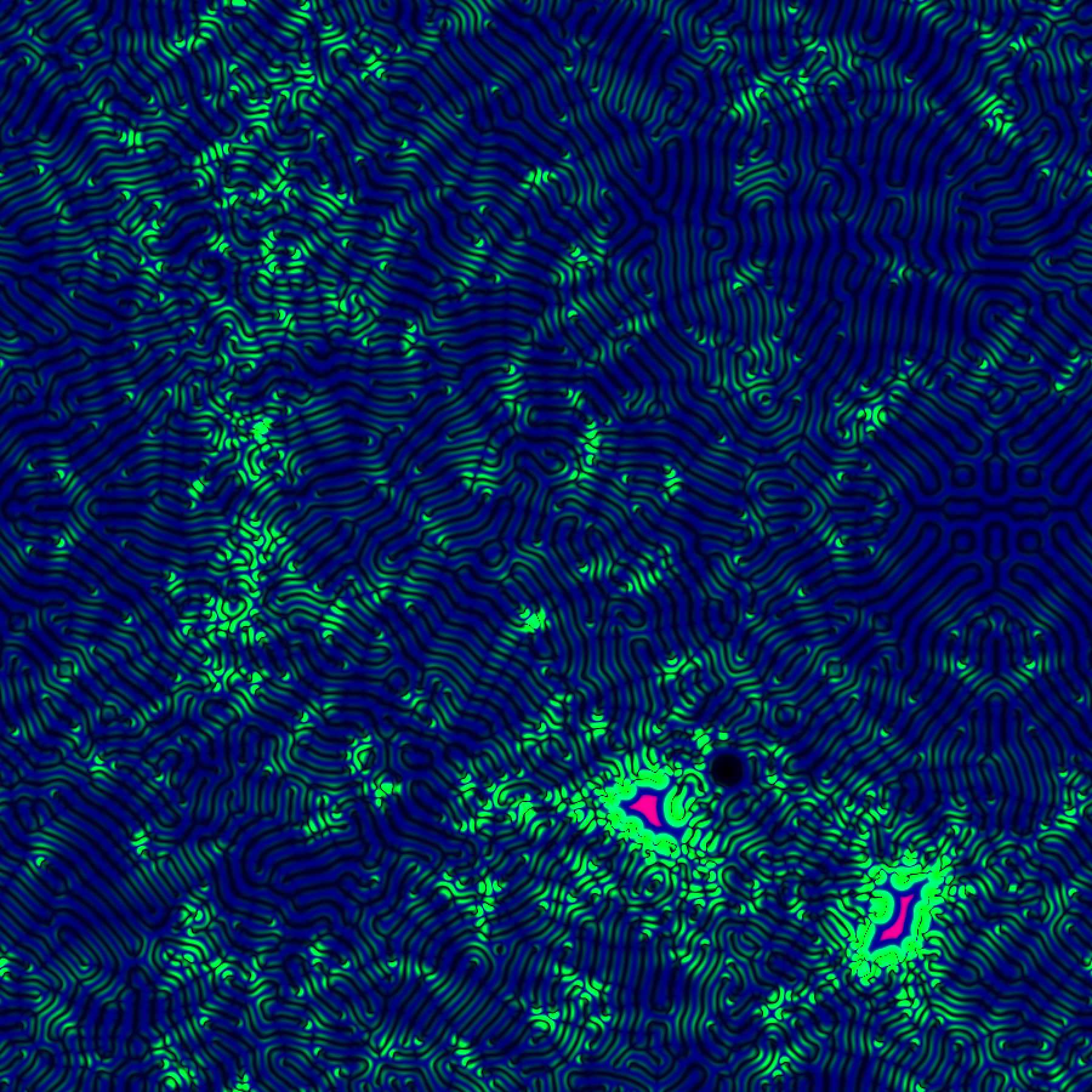
demo list = trail back to scripts. heatmap, weight display, Turing map... find the config behind each, not only the slide
- what the organizers preserve: lists of intended live demonstrations—standard STDP learned weights, Lyapunov heatmap, Turing maps, central-result explanation and final testing. The JSHS checklist also calls for a record of failed attempts and explanations of why methods were chosen.
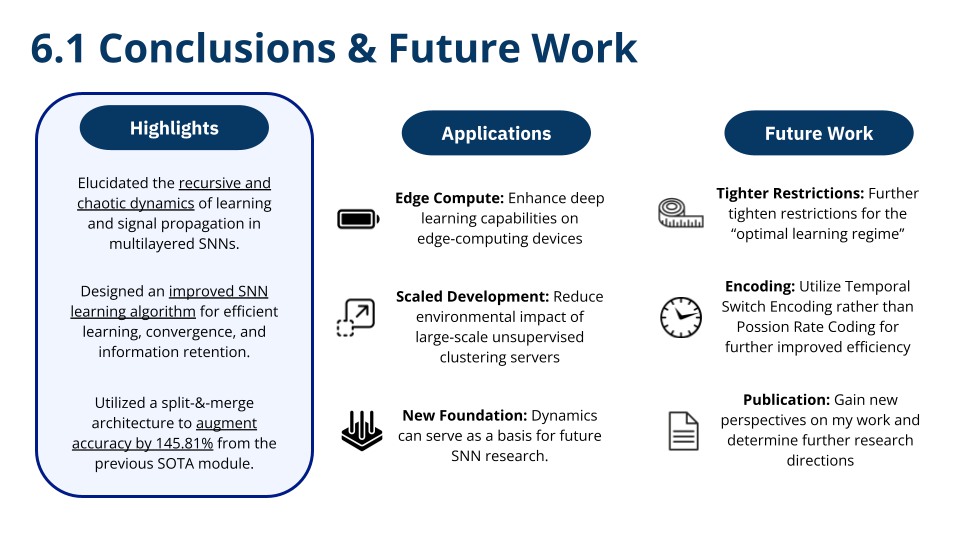
Conclusions and future work
- use these as artifact leads: recover the script and configuration behind each display, not just the slide image. The “Turing Map Layer 0” presentation returns almost no useful text through extraction; no numerical conclusion is recovered from that visual alone.
- version caution: CSEF Organizer contains both 56.6% and 58.6% CIFAR-10 wording in different script sections. This is another reason to use a reconciled data/run record as the source of a result, rather than a presentation draft.
- questions retained from the presentation preparation: how many trials per configuration, how many runs per plotted point, what remained controlled, and which conclusions follow from experiments versus theory or literature? These questions are useful for the reference notebook even when a fair-specific speaking script is not.